Guides
Tattoo studio equipment: planning the room for inspection
Tattoo studio equipment planned around the inspection: stations, single-use or reprocessing, the sterilization zone, sinks and logs, with LA County rules.
What to take away
- Equipment in a studio is bought for two audiencesthe artist who works at the station every day and the inspector who reads the room against the health department's checklist. Design for both at once.
- The largest single decision is whether anything is reprocessed. Where local rules permit it, a fully single-use setup avoids on-site instrument reprocessing and its autoclave and test-log workflow, but carries a higher supply bill. Reprocessing needs an appropriate sterilization setup and records. Neither approach is universally right; the choice sets the floor plan.
- Machine type is the artist's decision, not the owner's. The owner's decisions are power, lighting, the chair, the surfaces, and the workflow between clean and dirty.
- Every claim about equipment on the booking page ("single-use", "hospital-grade") is checkable, so buy what you can document.
Two audiences for every purchase
An artist wants a chair that adjusts for a six-hour back piece and light that shows skin without glare. A power supply must hold steady voltage, and the work surface must sit at the right height.
Inspectors commonly check for disinfectable surfaces, hand-washing facilities in required locations, and sharps disposal at the station. Clean and used supplies must stay separate; if anything is reprocessed, provide the sterilization area, monitoring, and records the local rule requires.
The licensing and compliance guide explains where the inspection checklist comes from. Requirements differ by jurisdiction; for example, Los Angeles County's body art plan-check guidelines are based on requirements in the California Health and Safety Code (CHSC), Safe Body Art Act. Use the checklist for your own jurisdiction before choosing equipment. The Los Angeles County guideline shows how concrete those rules get. The procedure area needs a fixed hand wash sink for the practitioner's exclusive use, at least 9 inches wide, 9 inches long and 5 inches deep, a light source adequate at the level where the work is done, and a sealable, rigid sharps container at each procedure area. Counter surfaces and service trays need a smooth, durable, non-absorbent finish. If instruments are reprocessed, the decontamination and sterilization area must be separated from the procedure area by at least five feet or a cleanable barrier, has its own sink, and must use a steam autoclave made for medical instruments; chemical and dry heat sterilizers are not accepted. A written log of each sterilization cycle is kept for three years.
The decision that sets the floor plan
What it needs in the room
- Fully single-use
- Storage for cartridges, grips, and tubes; no sterilization zone
- Reprocessing
- An autoclave, an ultrasonic cleaner, a clean-to-dirty layout, a dedicated sink, test supplies
- Mixed
- Both, with a written rule for what is reprocessed
What it costs where
- Fully single-use
- Higher per-session supply cost, lower fixed cost
- Reprocessing
- Higher fixed cost, lower per-session cost, staff time for the log
- Mixed
- Both
What the inspector reads
- Fully single-use
- Supplier documentation and stock records
- Reprocessing
- The test log, the indicators, the layout
- Mixed
- Both, and the rule
The choice interacts with the health department's rule. Some jurisdictions require an autoclave on site regardless of practice; some accept single-use with documentation. In Los Angeles County, a facility needs a decontamination room or area unless all equipment and supplies used during a procedure are single-use, pre-packaged and pre-sterilized. Ask before buying either.
Single-use vs reprocessing vs mixed
Fully single-use
- Room needs
- cartridge storage
- Cost shape
- high per-session
- Inspector reads
- supplier docs, stock
Reprocessing
- Room needs
- autoclave, ultrasonic, sink
- Cost shape
- high fixed, low per-session
- Inspector reads
- test log, indicators, layout
Mixed
- Room needs
- both plus written rule
- Cost shape
- both
- Inspector reads
- both and the rule
The station
A station is the chair, the artist's seat, the work surface, the machine and power supply, lighting, and the immediate disposal. Decisions the owner makes:
- Chair.Adjustable in height and angle, with arm and leg supports that can be positioned for ribs, backs, and limbs. The chair is the piece that decides whether a long sitting is possible, and it is the piece most often bought cheaply and replaced.
- Surfaces.Non-porous, cleanable, and covered with barrier film during a session. What counts as cleanable is a question for the health department, and it can extend to the floor and the walls of the procedure area.
- Power.A dedicated circuit per station avoids voltage drop when several machines run. Have an electrician read the plan.
- Lighting.Adjustable task light at the station plus even ambient light. Artists have strong preferences; ask the ones who will work there.
- Disposal.A sharps container at every station, within arm's reach, so nothing is carried.
- Sink.As many hand-washing sinks as the rule requires, placed where the rule says.
Machines and power supplies
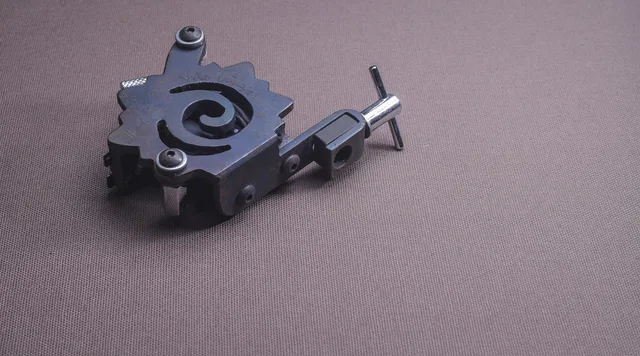
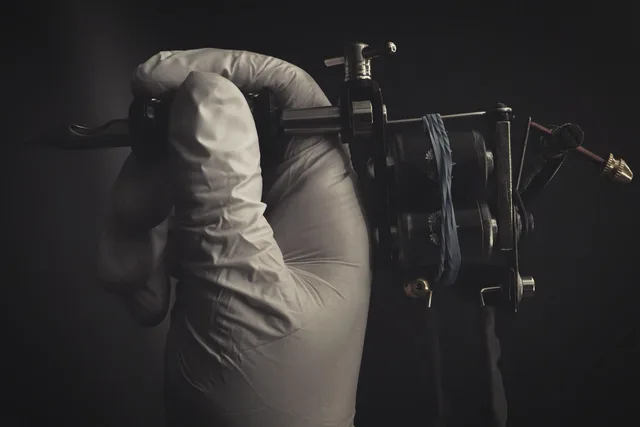
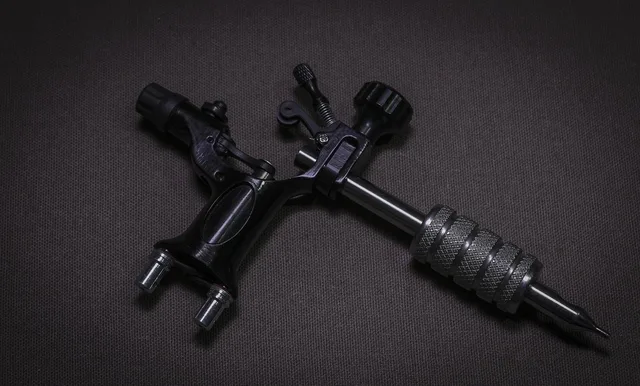
Coil, rotary, and pen-style machines all do the work; which one an artist uses is technique and habit. In a rental studio the artist brings their own. In an employment studio the owner may supply machines, and the decision is then which the artist is trained on.
Power supplies are the owner's concern either way, because a supply that drifts under load changes the line quality. Buy from makers who publish specifications and honor them. The services and packages guide explains why fine-line work, large-scale work, and cover-ups place different demands on the setup.
The sterilization zone, if there is one
If anything is reprocessed, the zone is designed before the stations. The flow runs one way: used instruments into an ultrasonic cleaner, then rinsed, dried and pouched, into the autoclave, then stored clean. Dirty and clean never cross.
One-way sterilization flow
- Used instruments
- Ultrasonic cleaner
- Rinse, dry, pouch
- Autoclave
- Clean storage
Follow local rules and the autoclave manufacturer's instructions for monitoring, indicators, and records; assign a named owner to maintain the log. Clean instruments and sterilized packs go into clean, dry, labeled containers or a labeled cabinet protected from dust and moisture, as the Los Angeles County guideline requires.
A sterilization zone is a safety procedure as much as a room; the artists who use it should help write the process and confirm that it works with the equipment.
Employees, exposure, and the room
Where the studio employs artists or desk staff with reasonably anticipated exposure, OSHA's bloodborne pathogens standard (29 CFR 1910.1030) may apply, and it covers engineering controls such as sharps containers and hand-washing facilities. Under it, employers provide handwashing facilities that are readily accessible to employees.
OSHA's interpretation letter on a barber shop, Occupational Safety and Health Administration: Bloodborne Pathogens Standard in a Barber Shop, shows how the agency reasons about coverage for a personal-service business with employees.
Ask OSHA or a safety consultant what applies to your staffing rather than assume. Design the room so the answer is easy to comply with either way.
Consumables and ink
Consumables scale with sessions: needles or cartridges, grips, tubes, barrier film, gloves, ink caps, stencil supplies, aftercare product. Buy from suppliers who document what they sell.
For ink, the FDA's U.S. Food and Drug Administration: Tattoos, Temporary Tattoos and Permanent Makeup page explains that inks are regulated as cosmetics, that contaminated inks have caused infections, and that adverse reactions are reported to the agency. A studio that records ink lots by session can answer a question a year later.
Setting goals for the setup
Measure the setup by what it does on a working day:
- Setup and breakdown time per session, which a good station layout shortens.
- Sessions per autoclave cycle, if reprocessing, which tells you whether one autoclave is enough.
- Supply cost per booked hour, which is the single-use versus reprocessing decision measured.
- Inspector findings on the room, which should be zero after the first visit.
Phasing the build
- Get the inspection checklist and the electrician's and plumber's read of the space.
- Build the sterilization zone or the single-use storage first, because it decides the plumbing.
- Build the anchor artist's station to their specification.
- Add stations only when an artist has signed for each; an empty station is rent without revenue, which the startup and market guide explains in the context of the opening plan.
- Rehearse an inspection before the first client.
Budgeting past the machine
The equipment quote is the smallest line. The larger ones are the build-out the inspector requires, the plumbing for the sinks, the electrical work, and the first months of consumables before the calendar is full.
Keep receipts and asset records from the start. The Internal Revenue Service: What kind of records should I keep? page describes the purchase and asset records a business must be able to produce. An autoclave or a chair is an asset with a life an accountant will want to know.
What to hand to a professional
The electrical layout to an electrician, the sink plumbing to a plumber who has read the health-department rule, the sterilization procedure to whoever provides bloodborne-pathogen training locally for a first review, and the surface-finish question to the inspector directly. The chair and the lighting to the artists.
Living with the room
Stations get rebuilt as artists change. Keep the build documented so that the next artist's station can be set up to spec without a new inspection surprise, and re-read the health-department checklist at each renewal, because the rule that shaped the room may have moved.
Common questions
Should the owner buy machines for the artists?
In a rental studio, no; the artist's machine is part of what makes them a separate business. In an employment studio the owner may, and should then buy what the artists are trained on rather than what is cheapest.
Is an autoclave required?
Ask the health department. Some jurisdictions require one on site regardless; some accept a fully single-use practice with documentation. The answer decides the floor plan, so ask before signing the lease.
How many stations fit in a room?
As many as the sink rule, the spacing rule, and the electrical capacity allow, which is a smaller number than the floor area suggests. The inspector's checklist and the electrician's read give the real answer.
What is the most common equipment mistake?
Buying the chair last and cheaply. The chair decides whether long sittings are possible, and long sittings are where custom work earns.